Bangladesh – March 22, 2026
by Team S21WD
S21WD DXpedition – Arrival and First Signals from AS-140
The S21WD team has successfully arrived in Bangladesh and is now active from IOTA AS-140, marking the transition from logistics to on-air operations.
On March 17, Jamie M0SDV arrived in Munich, where the team completed final preparations. The evening was dedicated to last packing activities, coordination with local supporters, and a joint dinner before departure.
On March 18, the team departed from Munich via Istanbul to Dhaka with Turkish Airlines. Despite the significant amount of heavy and oversized baggage, check-in procedures were handled efficiently with excellent support from airline staff. All flight segments and the transit in Istanbul were uneventful. Crucially, all equipment arrived in Dhaka complete and without damage.
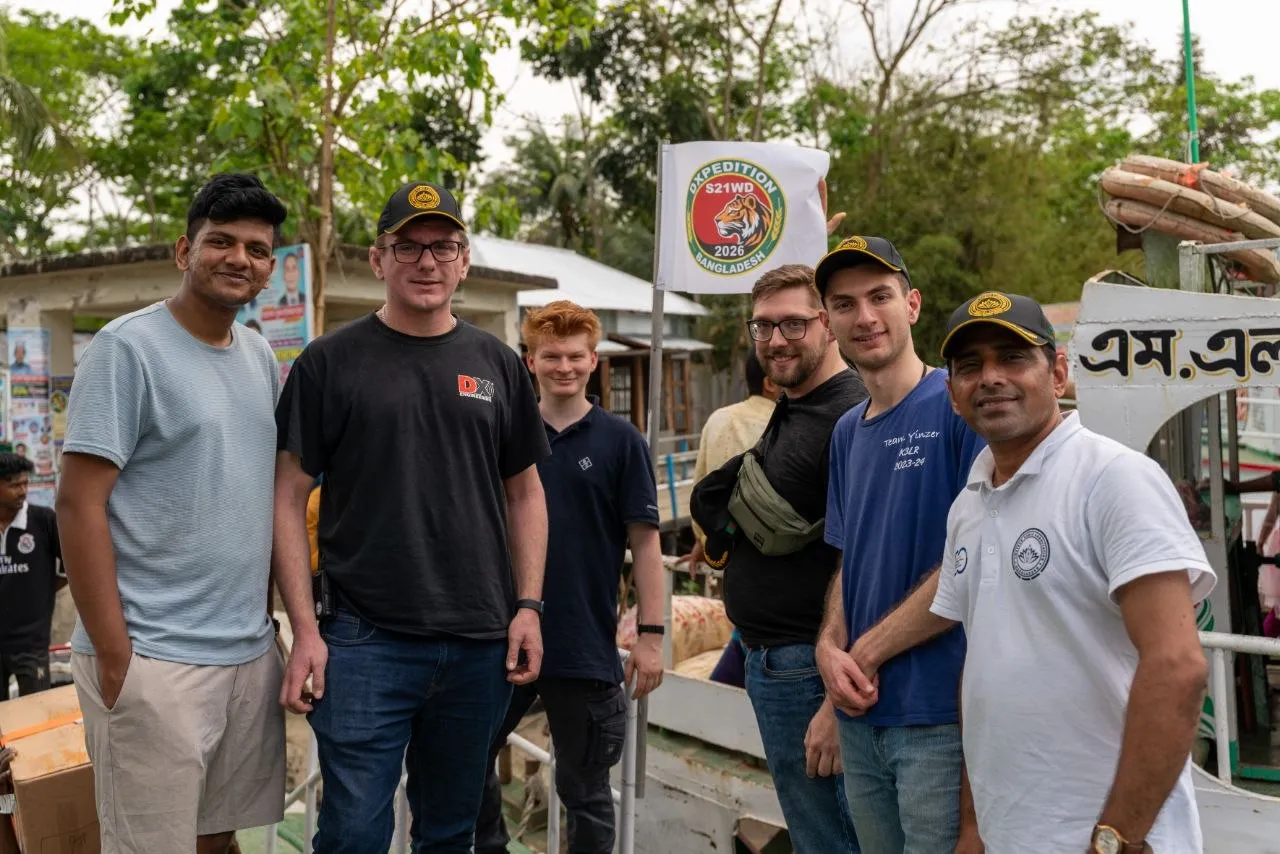
Customs clearance had been pre-coordinated with local amateur radio contacts, allowing for a smooth and efficient entry process. Upon arrival, the team received a warm welcome from local operators. After regrouping, equipment was repacked and expedition supplies were collected, as the team operates fully self-sufficient. A short breakfast in Dhaka was followed by final supermarket purchases. Special thanks go to S21ABO for preparing essential items in advance, which significantly eased logistics during the Eid Mubarak period.
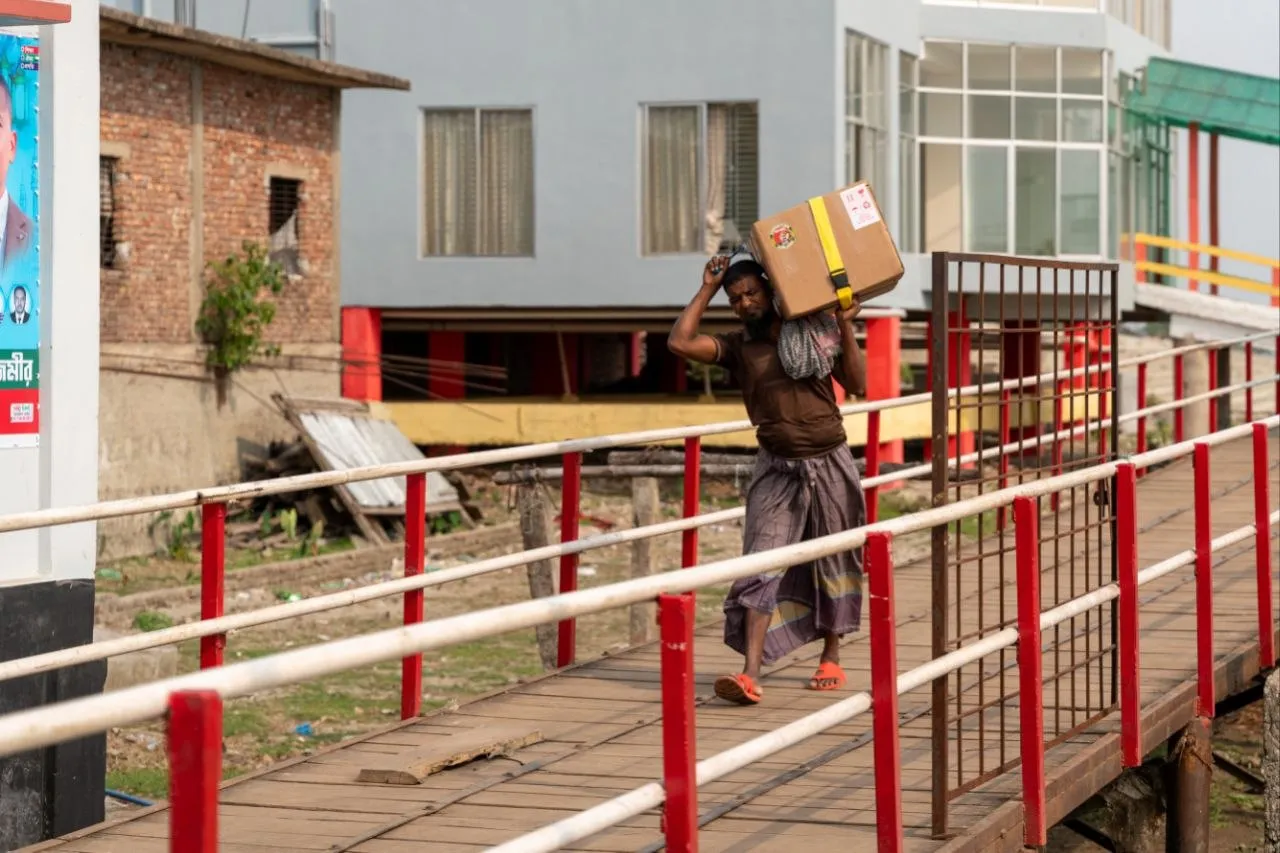
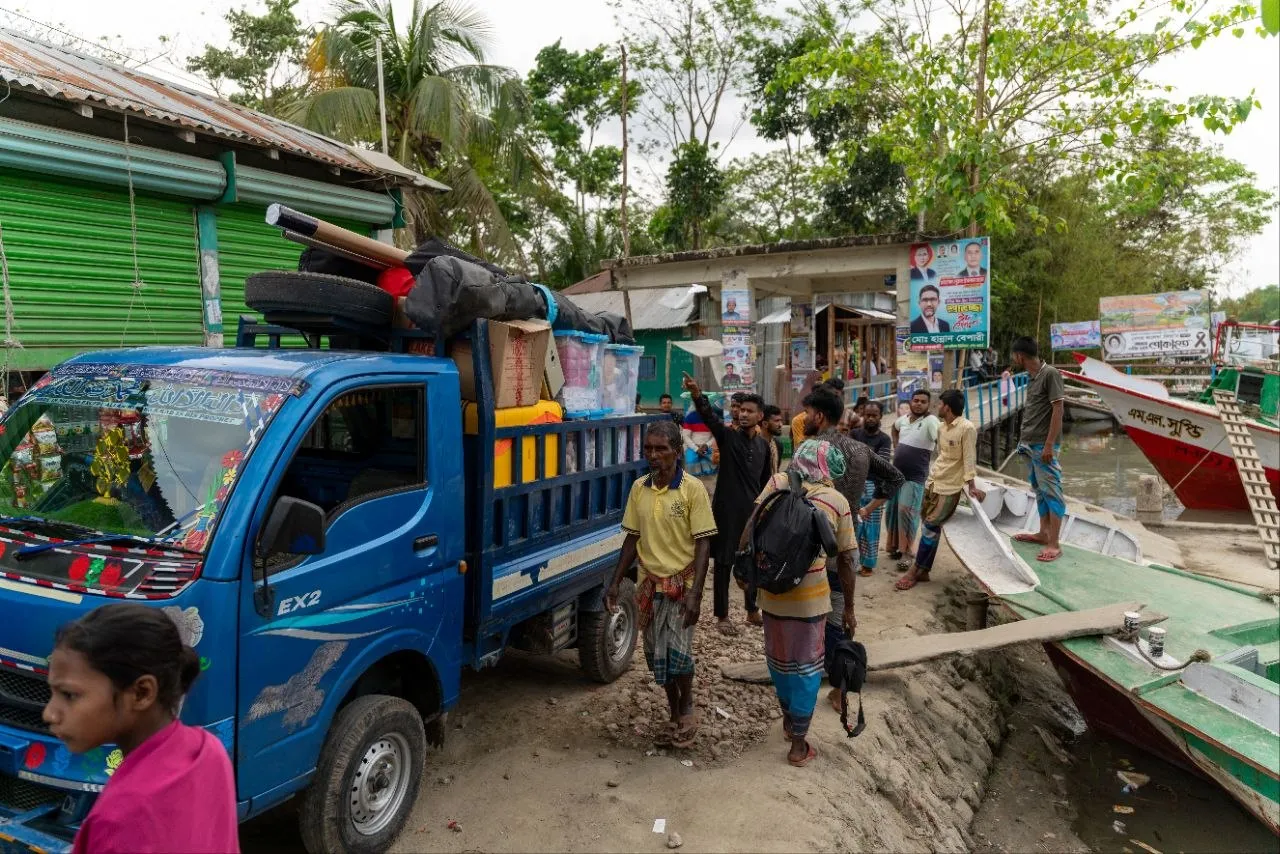
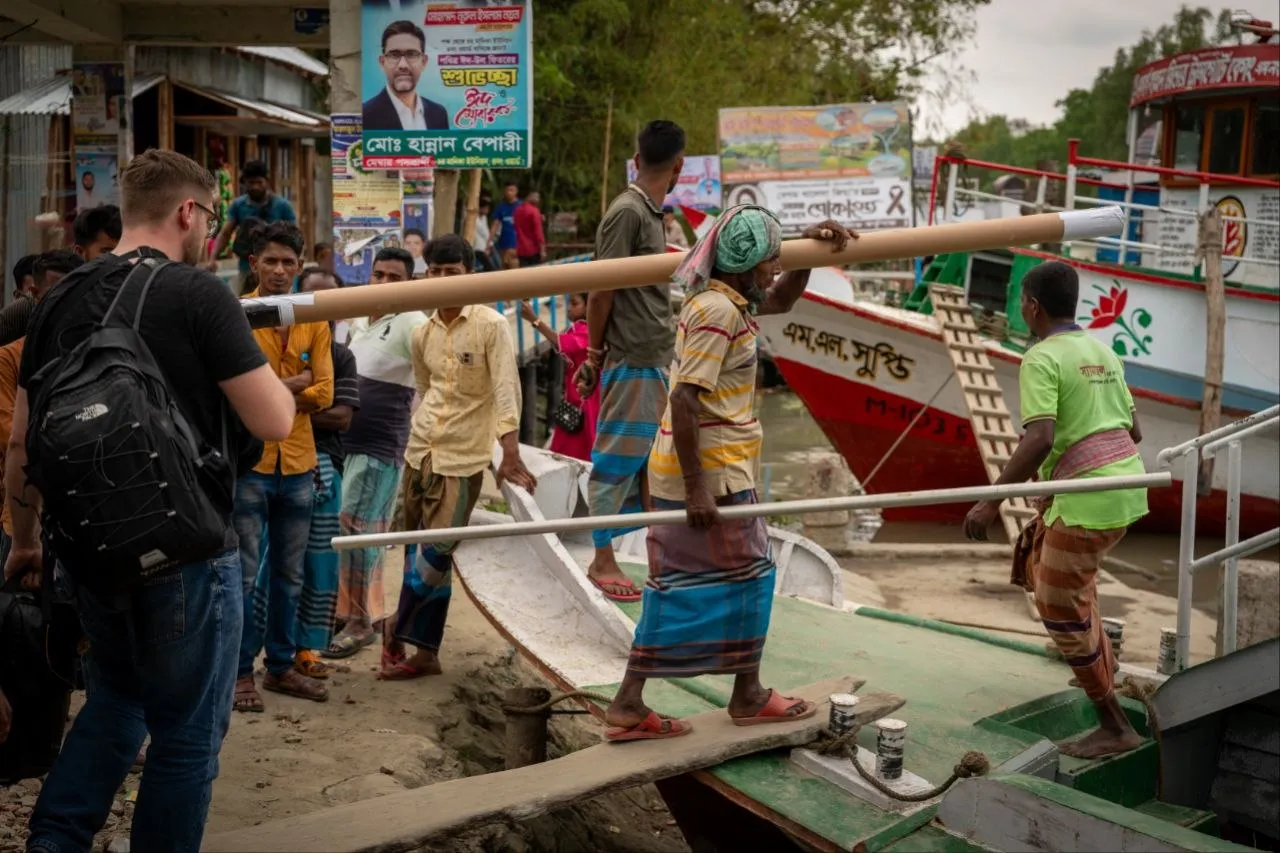
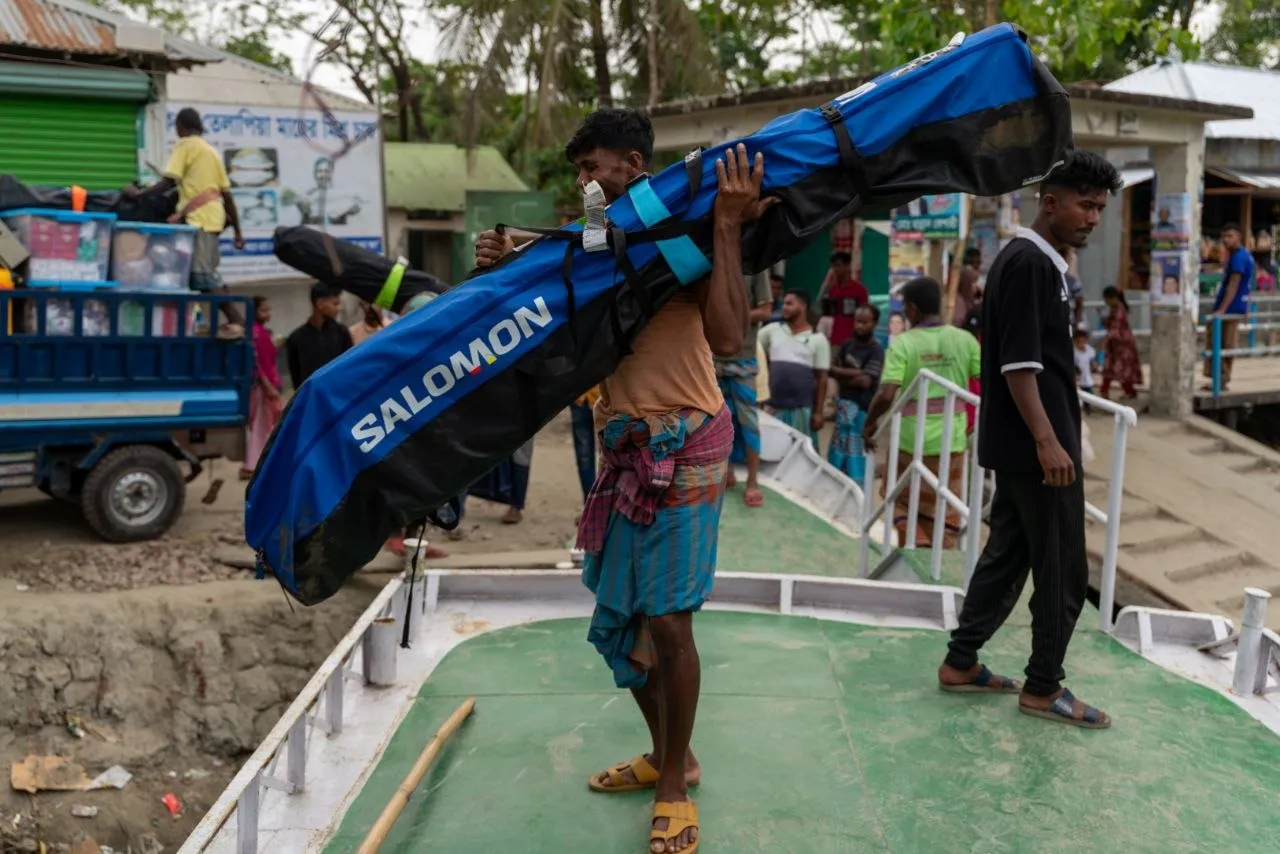
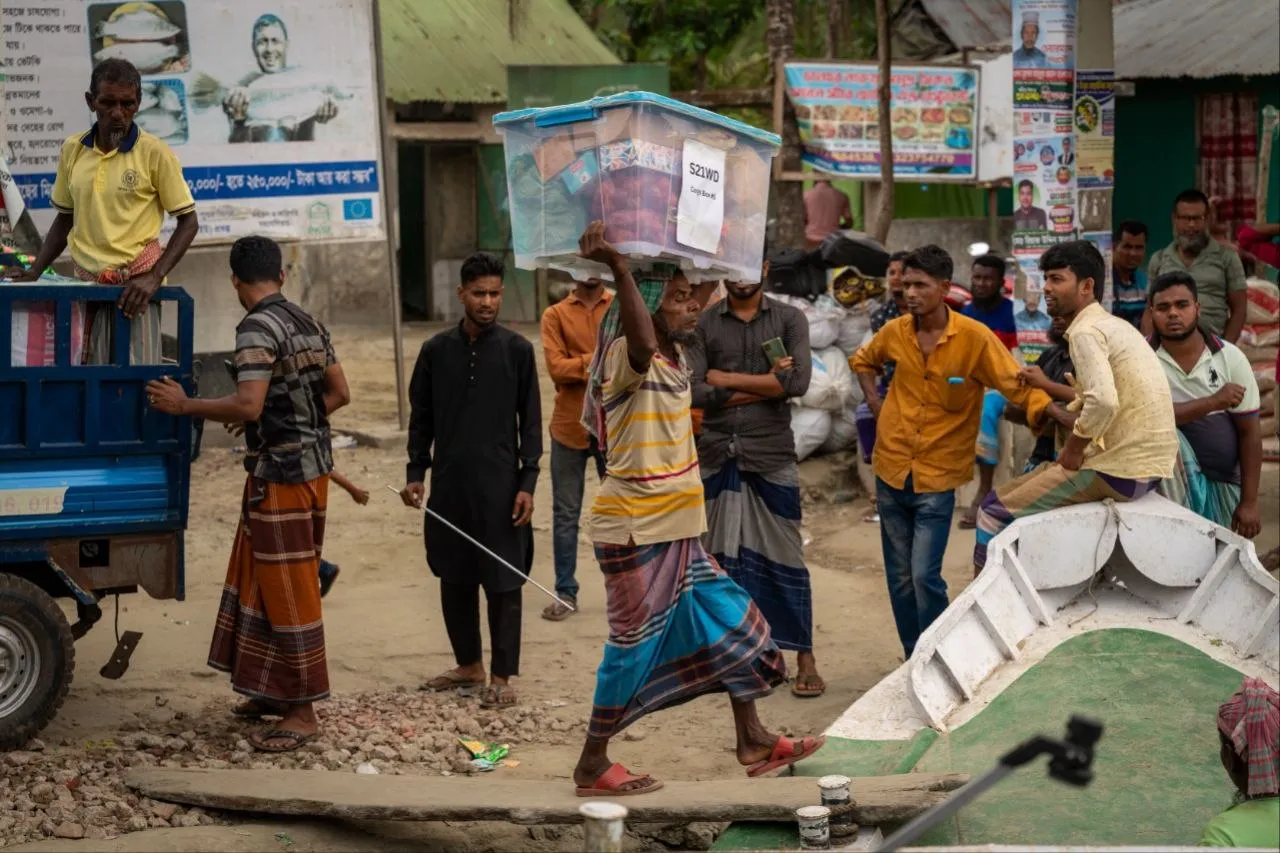
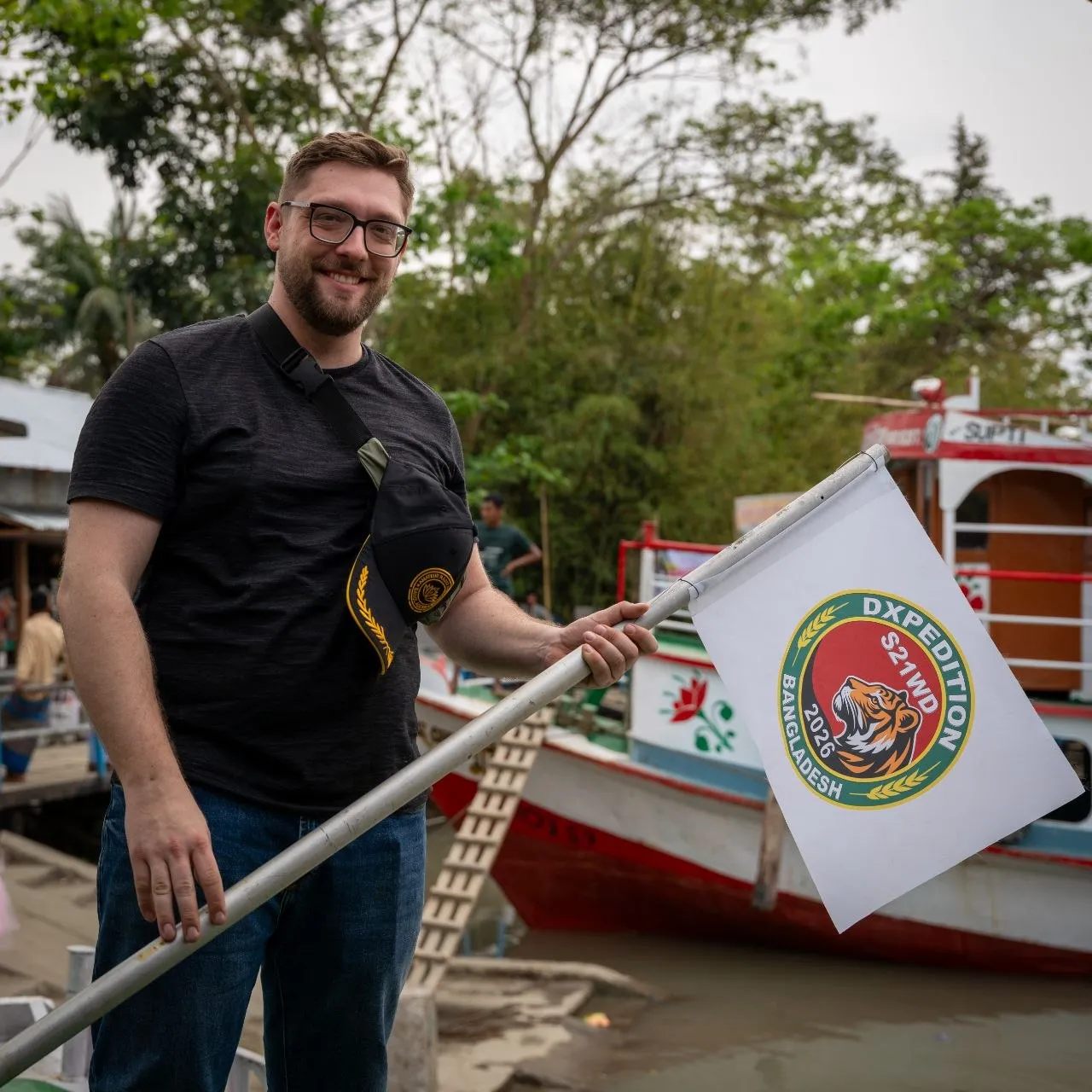
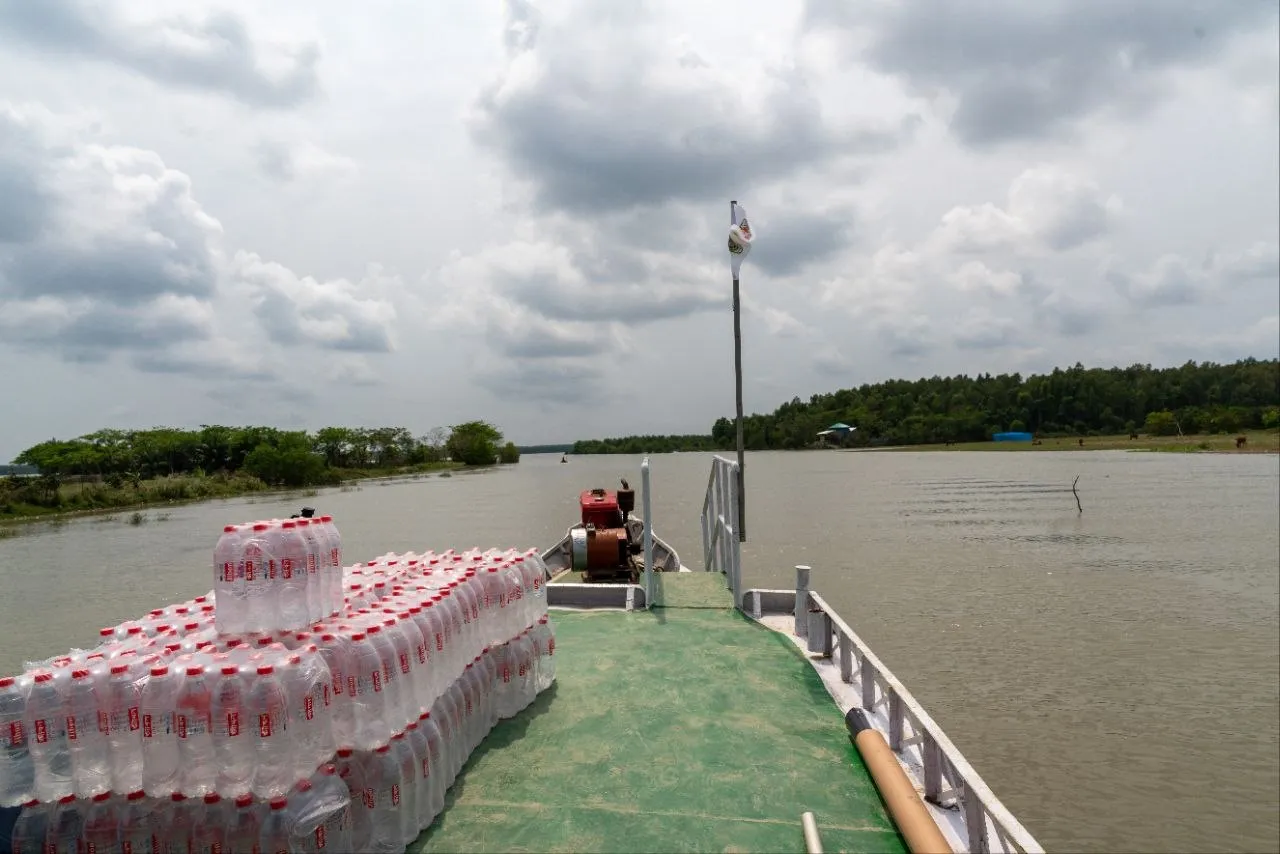
The onward journey to the QTH required a multi-stage transport operation. After navigating through Dhaka’s busy old town, approximately 600 kg of equipment and supplies were loaded onto a ferry for an overnight crossing of around 12 hours. During the crossing, the team had an interesting exchange about amateur radio with the owner of the ferry company. After arrival, the journey continued by minibus for about one hour, including a stop for a local breakfast, before transferring to a final boat. At this stage, additional cargo was loaded, including around 500 kg of drinking water and a 10 kVA generator. Following arrival on the island (AS-140), a final 20-minute tuk-tuk ride brought the team to the QTH.
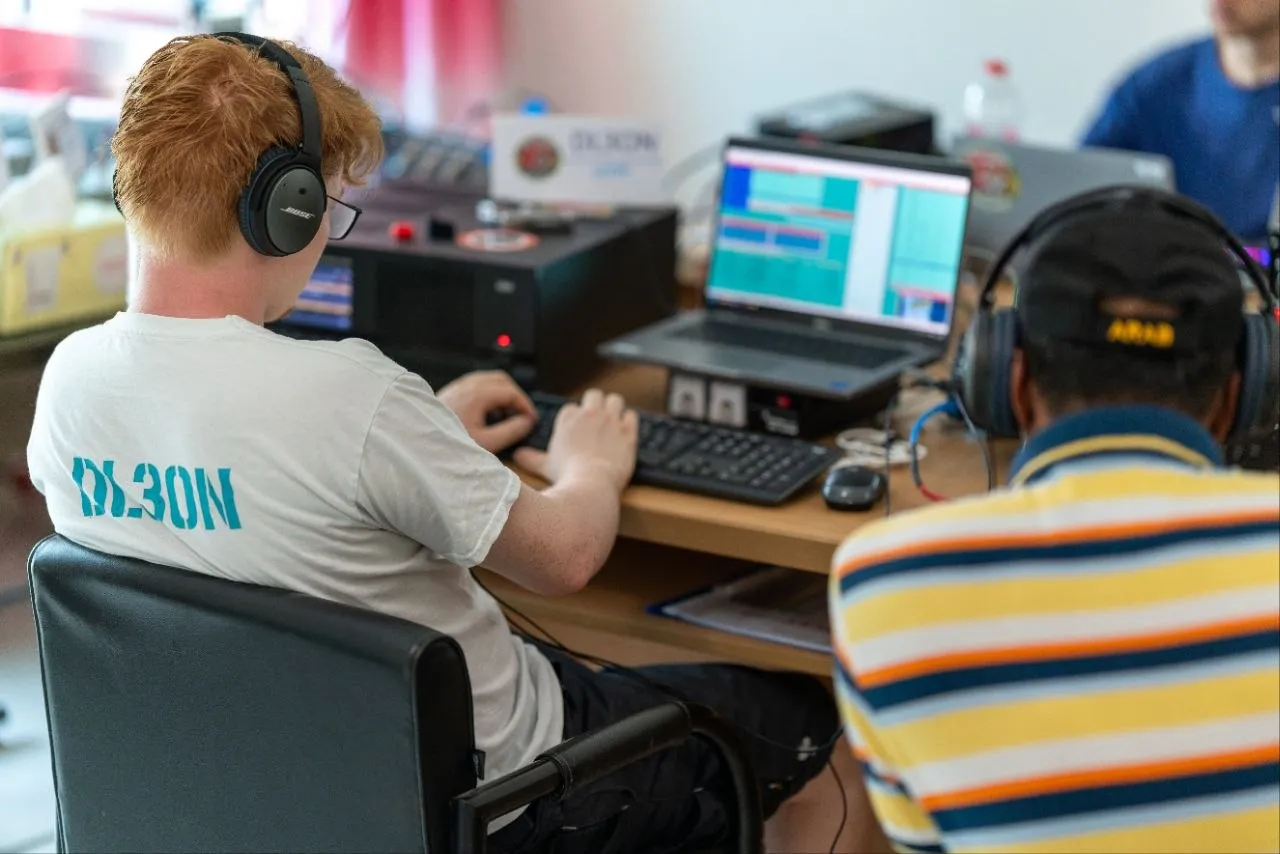
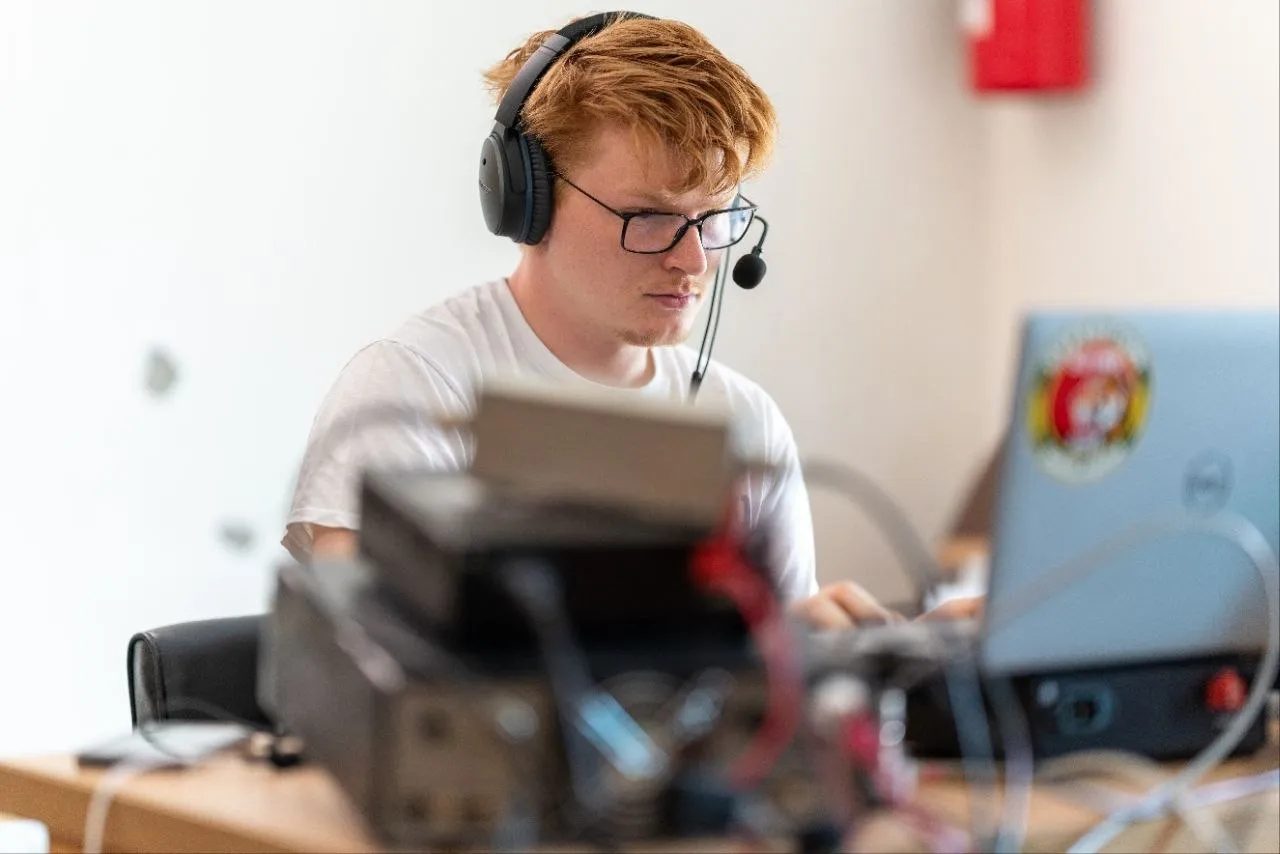
Immediately after arrival, work began in parallel on site exploration, shack setup, and antenna construction. The first signal as S21WD was transmitted on March 20 at approximately 17:00 UTC.
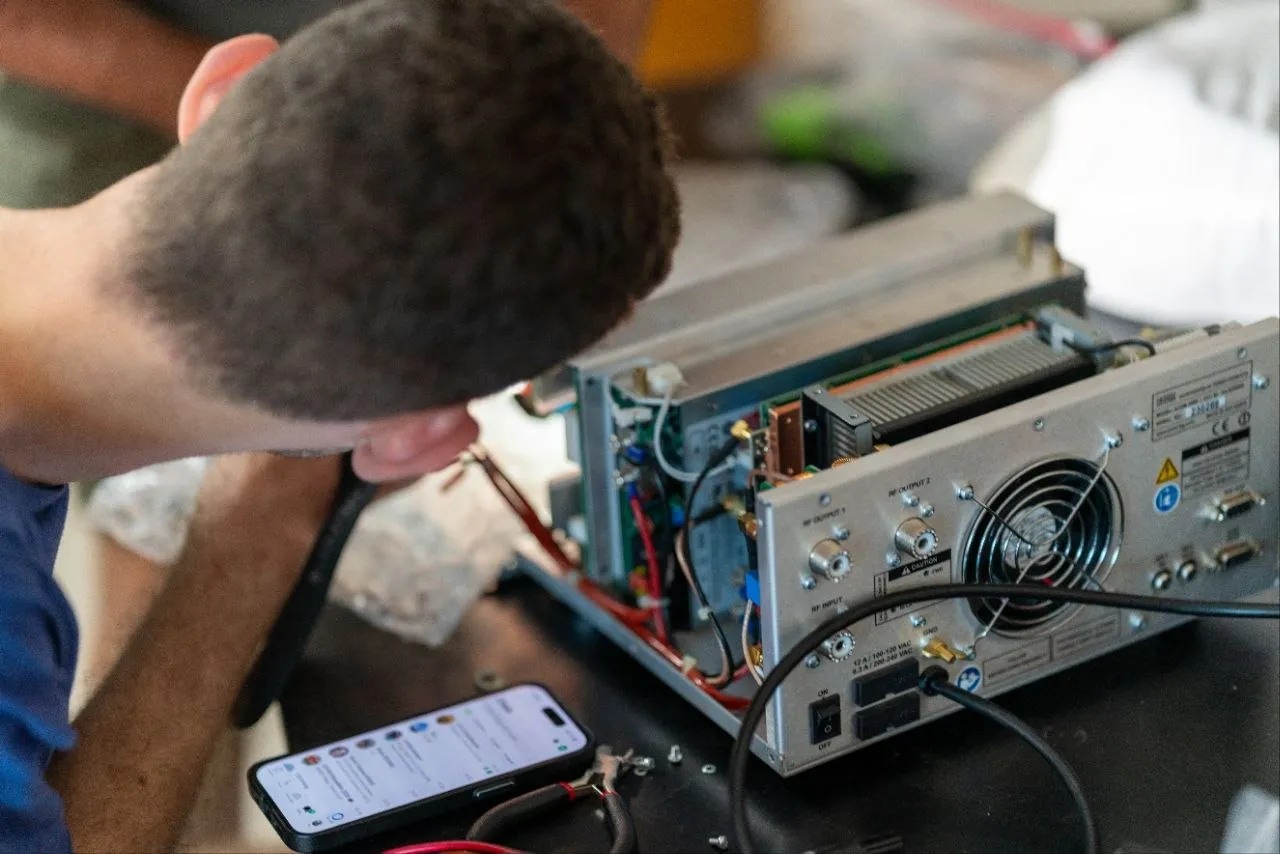
Initial operations revealed a much higher than expected level of local man-made noise, which had not been present during earlier site visits. In parallel, frequent grid power outages made it necessary to bring the expedition’s generator online early. The generator has been operating reliably since commissioning. However, one grid failure resulted in the loss of an amplifier and a power supply. Repair attempts have so far been unsuccessful.
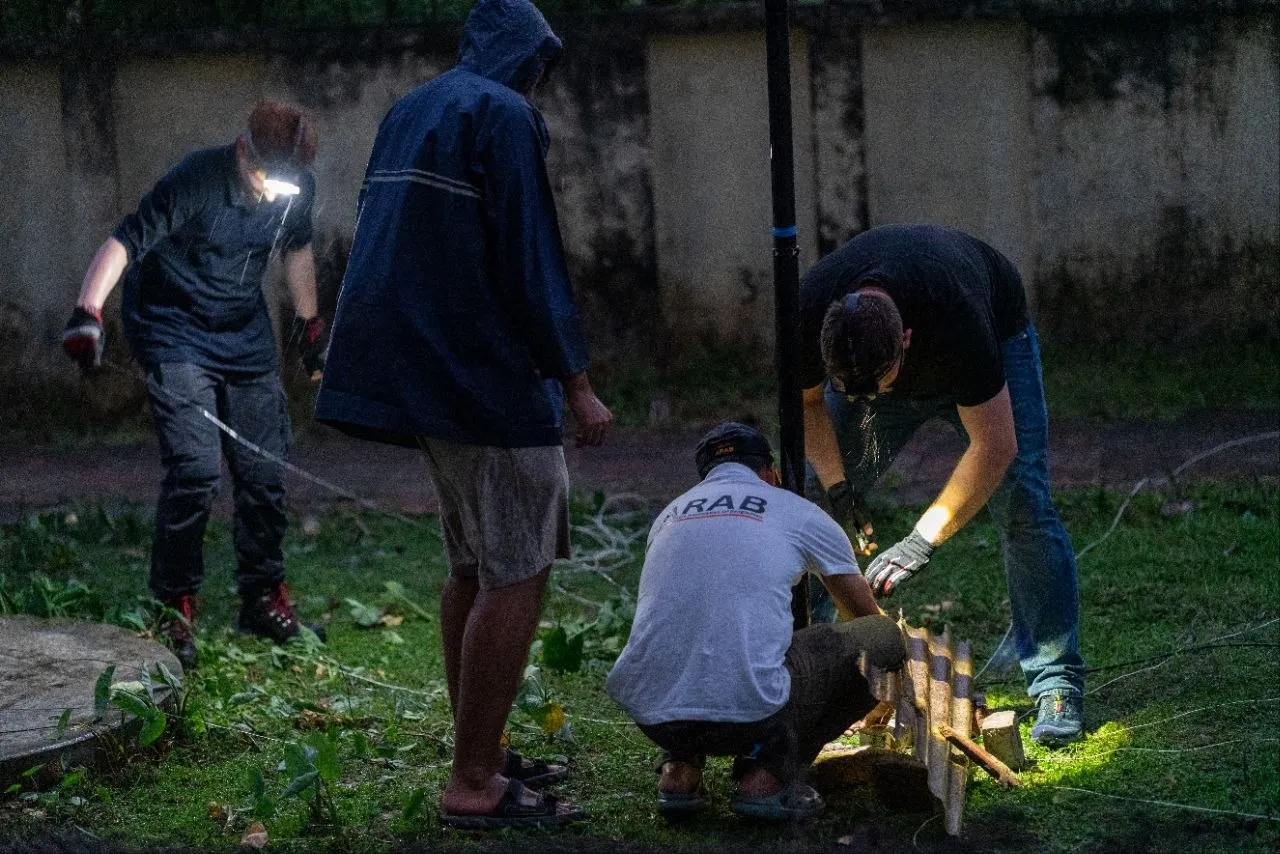
Antenna deployment has progressed steadily. The 5-band Spiderbeam installed on the roof is performing well. The 3-band WARC Spiderbeam could not be deployed at the planned location and therefore had to be relocated to a green area in front of the house.
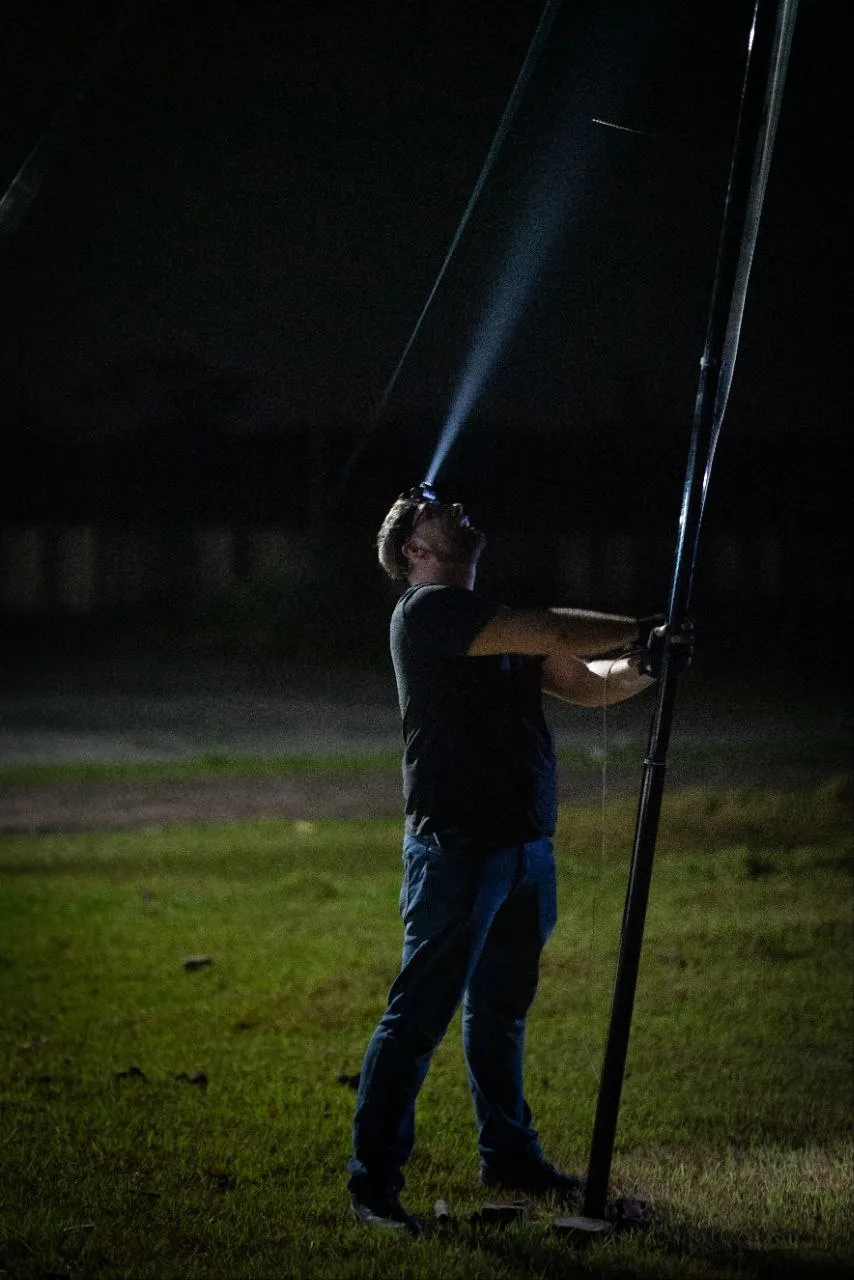
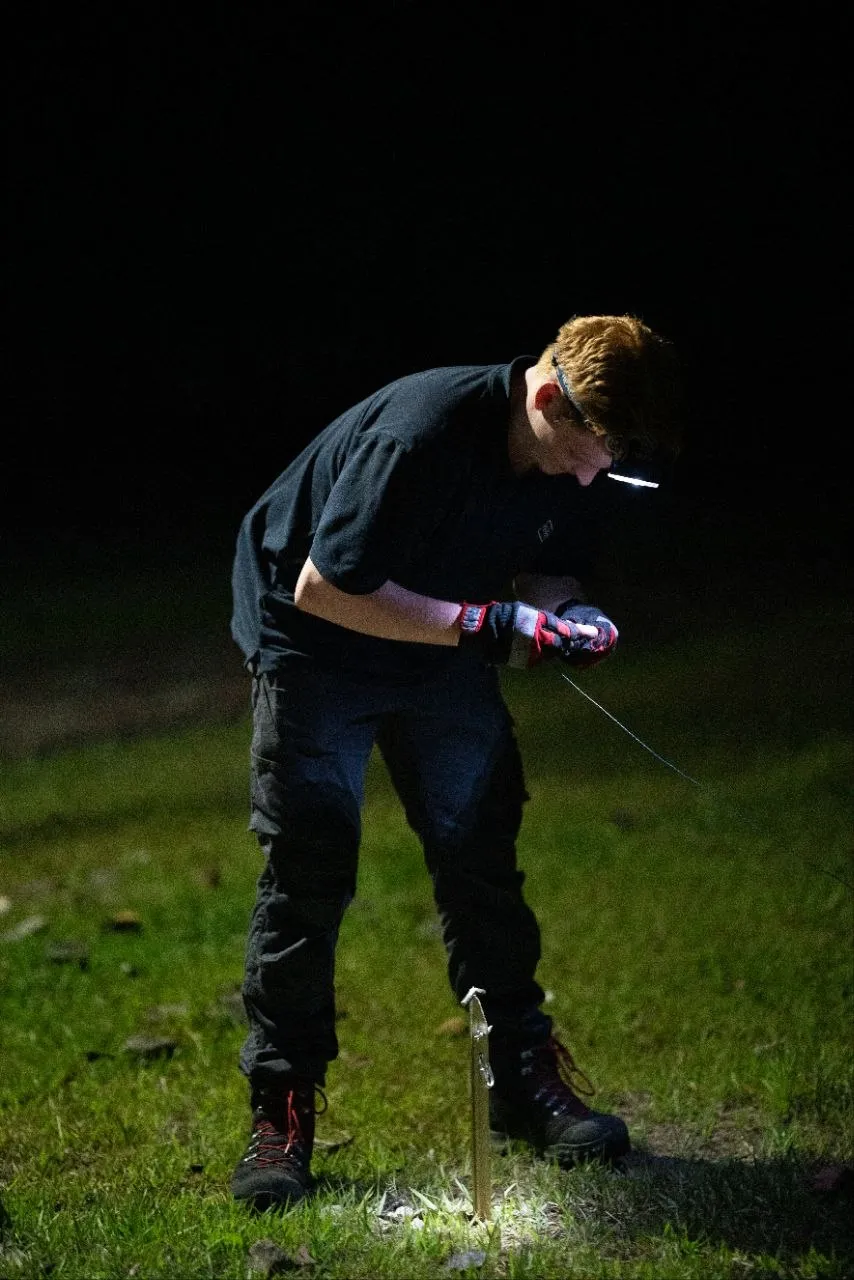
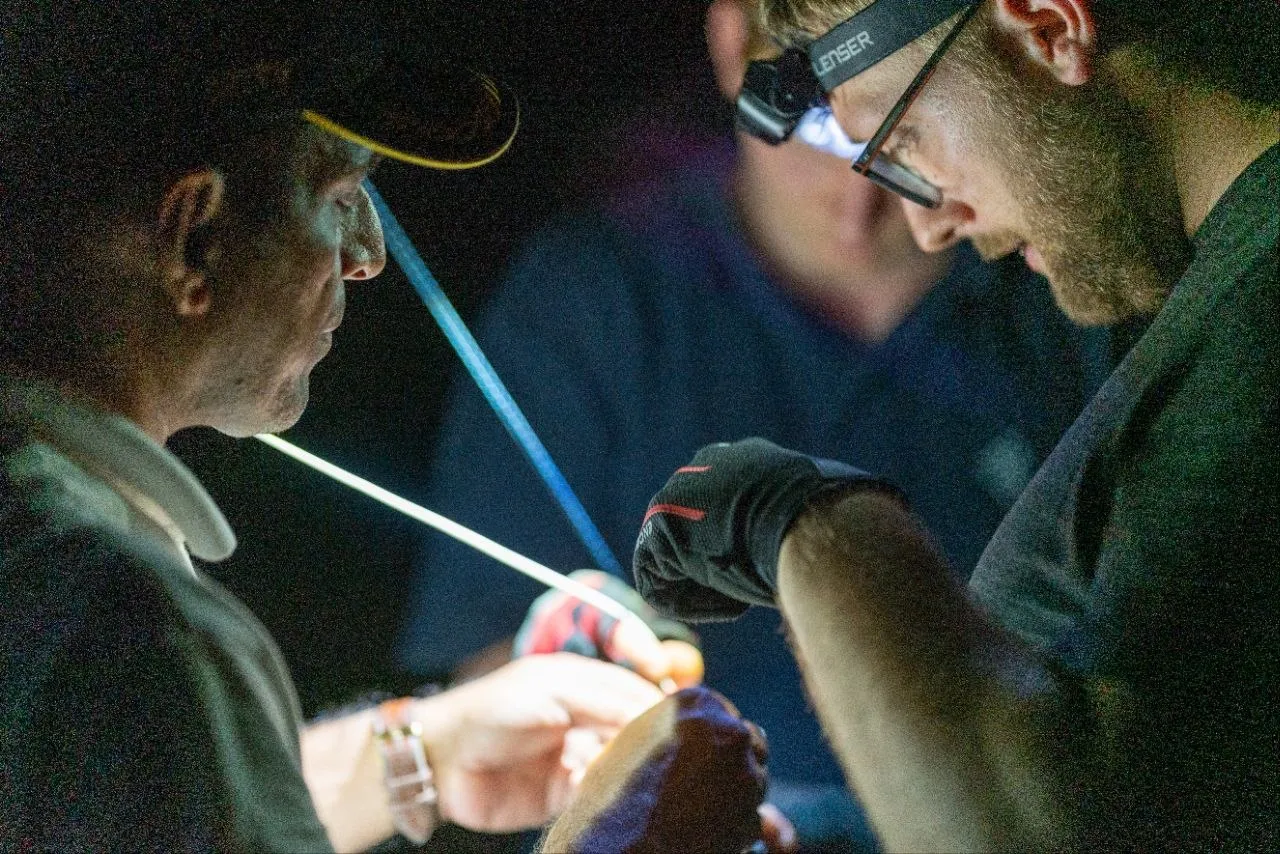
Further progress was achieved on March 22 with the installation of two large lowband verticals for 80m and 160m. Initial tests are very promising, particularly towards Europe. In combination with a receive flag antenna, which has shown clear improvements in signal-to-noise ratio, the first encouraging results on 80 meters have already been observed. Long beverage antennas are currently under preparation, and additional systems, including a 60m vertical and a QO-100 station, are planned for deployment shortly.
We have already been present during openings towards North America; however, current conditions combined with the local noise limitations have so far resulted in limited success.
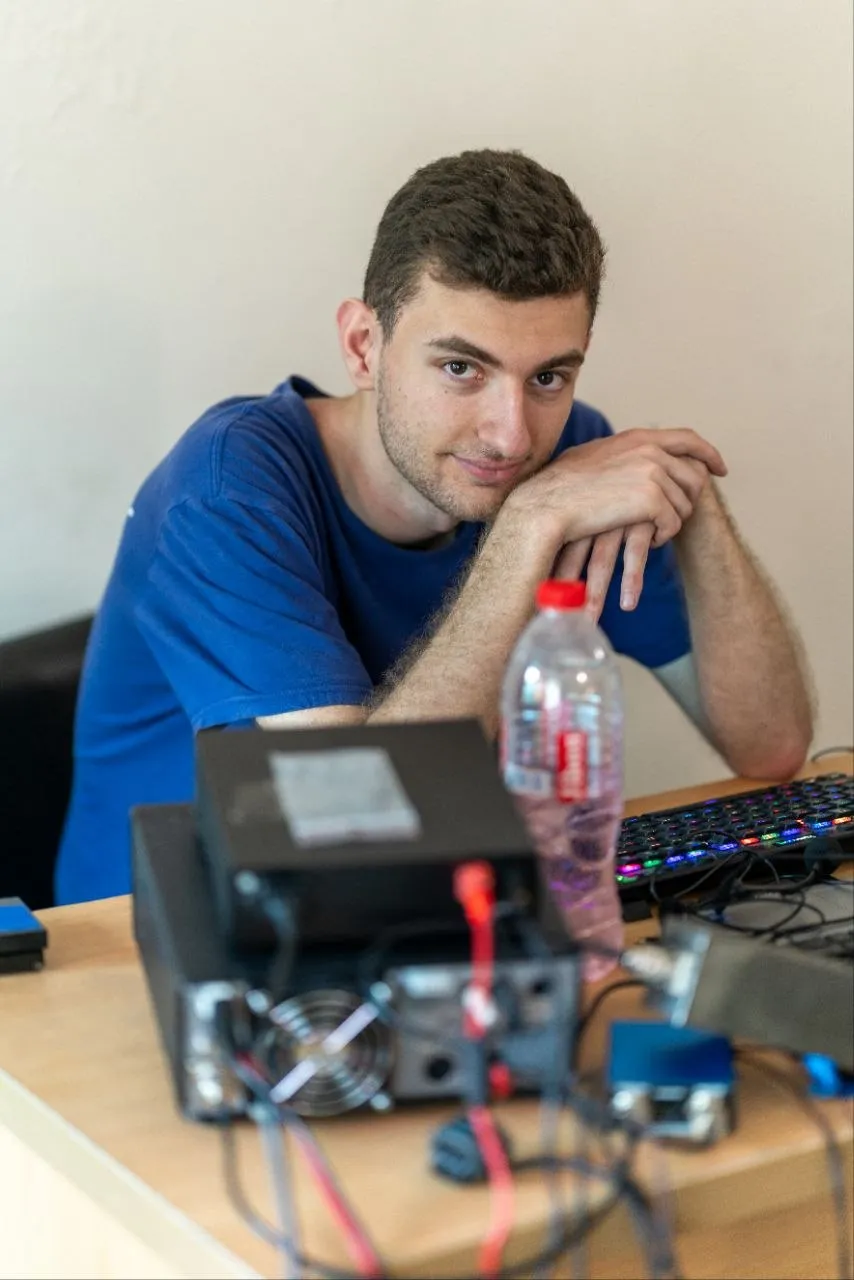
Operational capacity is currently slightly reduced, as three operators are temporarily affected by health issues, limiting both antenna construction and operating activity. At the same time, strong support from local amateur radio operators has been instrumental in maintaining progress, and the team is very grateful for this assistance. The hospitality and catering provided by local hosts have been excellent throughout.
With the main antenna systems now largely in place and stable power ensured via the generator, the setup phase is nearing completion. The focus will now shift towards full operating mode, with top priority on locating and eliminating the noise source, followed by attention to openings towards high-demand regions such as North America and further optimization of lowband performance.
Further updates will follow as operations continue from AS-140.